
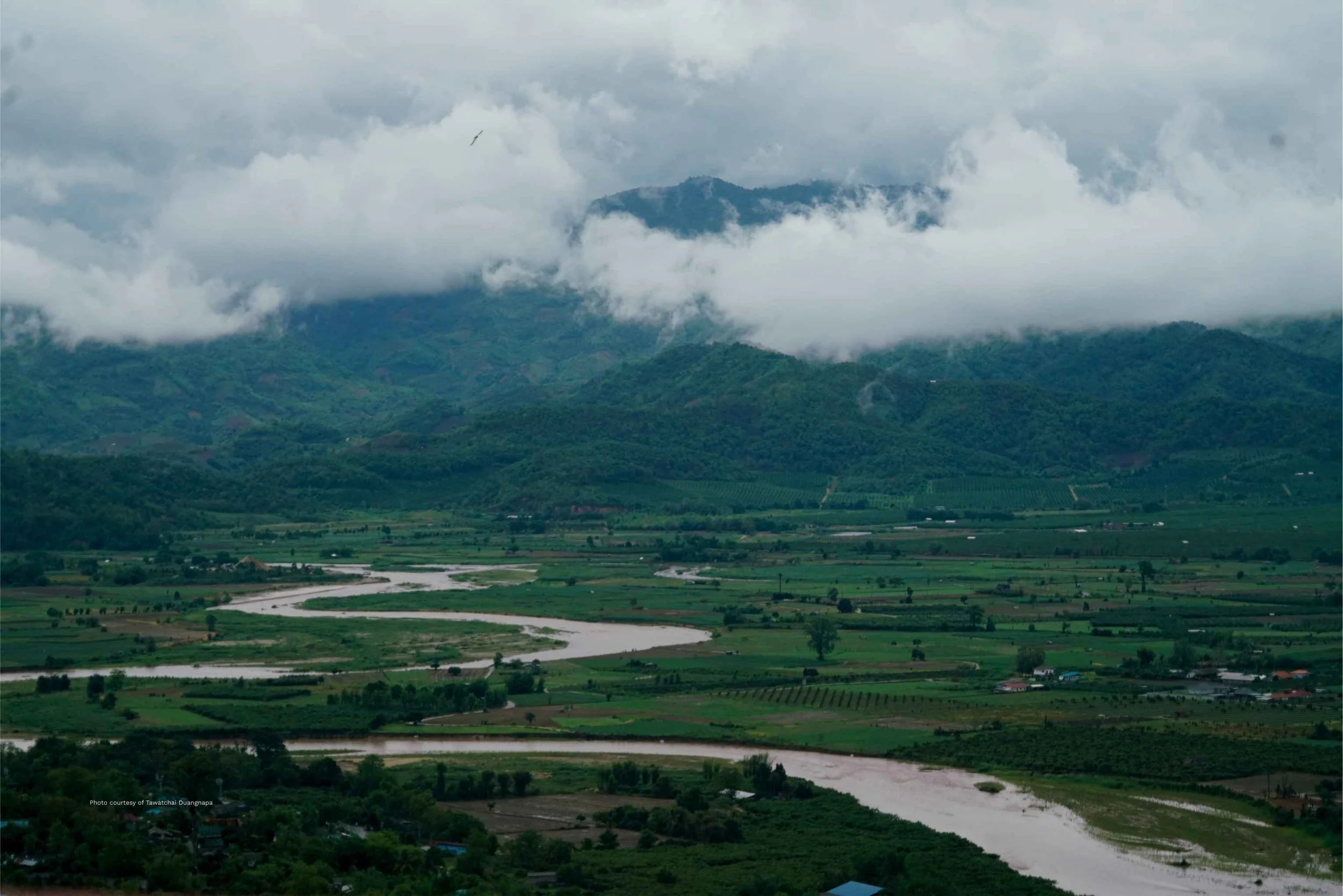
Independent art and cultural research platform
MAAD Lab is an independent art and cultural research platform exploring place, memory, and living knowledge through transdisciplinary artistic practice and community co-creation.
What is MAAD Lab?
MAAD Lab is an independent art and cultural research platform that explores knowledge, lived experience, and the memories of places through artistic practice. It is an experimental space where local stories, knowledge, wisdom, and experiences are brought together to be studied, connected, interpreted, and developed creatively in collaboration with communities.
MAAD is neither simply an archive nor an artists’ collective. It operates as a space for field research, exchange, and artistic experimentation, placing listening, collaboration, and the return of value to communities at the centre of its work.
-
Research Space
A place for inquiry and investigation.
-
Learning Space
A place for shared learning.
-
Artistic Laboratory
A space for experimenting with artistic methods.
-
Community Interface
A point of connection between artists, people, and places.
Why MAAD Lab?
MAAD Lab emerged from a gathering of artists and individuals interested in places, memories, and the knowledge embedded in people’s lived experiences. We believe that every place holds forms of knowledge that are absent from textbooks, rarely documented formally, and sometimes at risk of disappearing along with those who carry them.
Such knowledge may be found in personal stories; ways of making things; languages and local expressions; food; craftsmanship; rituals; beliefs; family relationships; memories; the sounds, smells, colours, and textures of places; and the ways people live and coexist.
MAAD Lab seeks not merely to collect these traces, but to listen, learn, understand, and experiment with new interpretations through artistic practice.
Our guiding principles:
• Begin by listening rather than interpreting on behalf of others.
• Recognise community members as co-creators of knowledge, not simply sources of information.
• Respect context, ownership of stories, rights, beliefs, and limits on sharing.
• Distinguish facts, personal accounts, beliefs, and researchers’ interpretations.
• Preserve the sources and contexts of information so that it remains connected to its people and places.
• Treat creative work not necessarily as an answer, but as a way to ask questions and open dialogue.
• Consider what each project gives back to the community after research and creative work have taken place.
What makes MAAD Lab different?
MAAD Lab does not need to compete with other organisations or platforms.
Its strengths may lie in being:
• SMALL — A small team able to move quickly.
• CLOSE — Working in close relationship with people and places.
• SLOW — Making time to listen and understand.
• EXPERIMENTAL — Beginning without needing to know the answer.
• ARTISTIC — Using art as a way of thinking, not merely as an end product.
• LOCAL — Beginning with places where we live and have genuine relationships.
The M-A-A-D Framework
-
We do not begin by sitting at a distance and speaking on behalf of a place. We go out into the world: walking, exploring, meeting people, observing, listening, learning, and moving between places and perspectives.
Movement refers both to physical movement and to the movement of ideas: people, cultures, objects, stories, and knowledge travelling across generations and changing over time.
-
No single piece of knowledge exists in isolation. We bring together people, stories, objects, memories, places, information, and experiences, asking what new relationships or meanings might emerge when they are assembled in different ways.
Assembly is the gathering of people and information as well as the making of meaning: bringing knowledge, memories, materials, media, and experiences into relation so that learning and new forms of creation can take place together.
-
For MAAD, aesthetics is not simply about beauty. It concerns how people perceive the world and how sensory experiences produce meaning.
We may come to know a place through images, sounds, smells, tastes, textures, bodies, rhythms, colours, materials, and feelings.
Aesthetic practice is therefore concerned with how knowledge is sensed and perceived, and how discoveries are interpreted through art, design, language, imagery, sound, performance, craft, and other creative media.
-
Once we have encountered and learned from something, we seek to open up possibilities for it to travel further:
Stories → Knowledge → Interpretation → Experimentation → New Outcomes
Dimension means opening new perspectives on what we have learned, bringing attention to what may have been overlooked, and connecting local stories to contemporary questions.
These outcomes may take the form of artworks, exhibitions, publications, films, sound works, performances, installations, designs, workshops, archives, public programmes, or simply new conversations within a community.
“What do we want to understand?”
MAAD Lab does not need to work toward a single question or answer. Instead, two guiding questions inform our practice:
“What does a place and people know, remember, and feel?”
“How can artistic practice help us listen, understand, and reimagine these experiences?”
MAAD Lab Methodology
-
LISTEN
Enter places, meet people, hear their stories, observe everyday life, and understand the context before forming assumptions.
-
COLLECT
Document sounds, photographs, videos, texts, objects, maps, memories, recipes, techniques, and other relevant forms of information.
-
CONNECT
Bring together stories from different generations, people, and perspectives, and connect them with places, objects, languages, and contemporary issues.
-
INTERPRET
Analyse, make connections, and develop new questions.
-
CREATE
Experiment with transforming what we have learned into new forms through art and creative practice.
-
RETURN
Consider how the work can be shared with the places and people from whom we have learned, or passed on from one generation to the next.
MAAD Lab Output
-
KNOWLEDGE
• Archives
• Researches
• Documentations
-
ART
• Artworks
• Exhibitions
• Performances
• Installations
-
MEDIA
• Films
• Sound works
• Publications
• Websites
-
COMMUNITY
• Conversations
• Workshops
• Gatherings
• Public programmes
“People in motion.”
MAAD does not have to be an art school, museum, cultural centre, conservation organisation, production company, exhibition organiser, or community development organisation.
Nor does every project need to produce an artwork. More important than the final output are the quality of the questions, the learning process, and the relationships formed.
We work with people, not on people.
We do not see communities merely as research subjects. We recognise people as knowledge holders, collaborators, and participants.
We aim to:
• Seek permission before recording or documenting.
• Respect the right to decline participation or withhold information.
• Avoid unnecessary use of private or sensitive stories.
• Acknowledge and credit those who share knowledge.
• Share outcomes and benefits with the places and people involved.
• Where appropriate, invite the people whose stories are represented to review or contribute to their interpretation.
Small enough to start. Clear enough to grow.
MAAD Lab begins with a core team of four.
Roles that the core team can take on:
• Direction / Founder — Shape the direction, vision, and standards of practice.
• Research & Fieldwork — Develop research questions, undertake fieldwork and interviews, and manage information.
• Community Liaison — Connect with communities, knowledge holders, and local partners.
• Creative / Art Direction — Develop interpretations and creative forms.
• Archive & Documentation — Manage metadata, files, images, sound, documents, and usage rights.
• Editorial / Communication — Write, maintain the website, and communicate with the public.
• Production / Project Management — Coordinate budgets, schedules, exhibitions, workshops, and production.
• Facilitation / Process Design — Design participatory processes, guide group dialogues, and hold space for collaborative workshops and community interactions.
• Education / Learning Design — Develop educational frameworks, create learning materials, and design meaningful learning experiences for diverse audiences.
As projects develop, MAAD may work with collaborators—including artists, designers, researchers, anthropologists, educators, craftspeople, media practitioners, students, and community members—without requiring permanent membership.
Community partners may include knowledge holders, artisans, families, community groups, schools, educational institutions, art spaces, and local organisations. They may contribute as knowledge holders, co-researchers, and co-creators.
Meet the Team
-
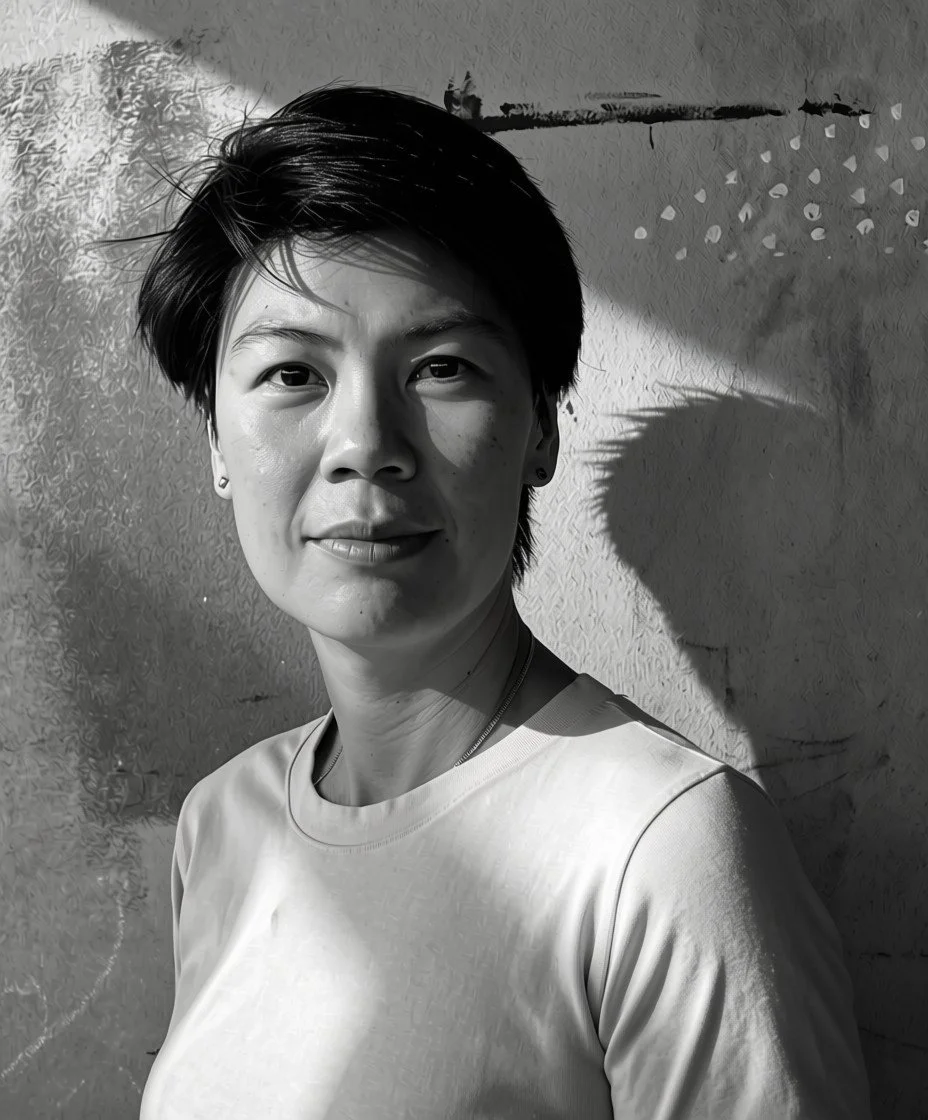
Paradee Sattarujawong
PLATFORM DIRECTOR & EDUCATOR
-
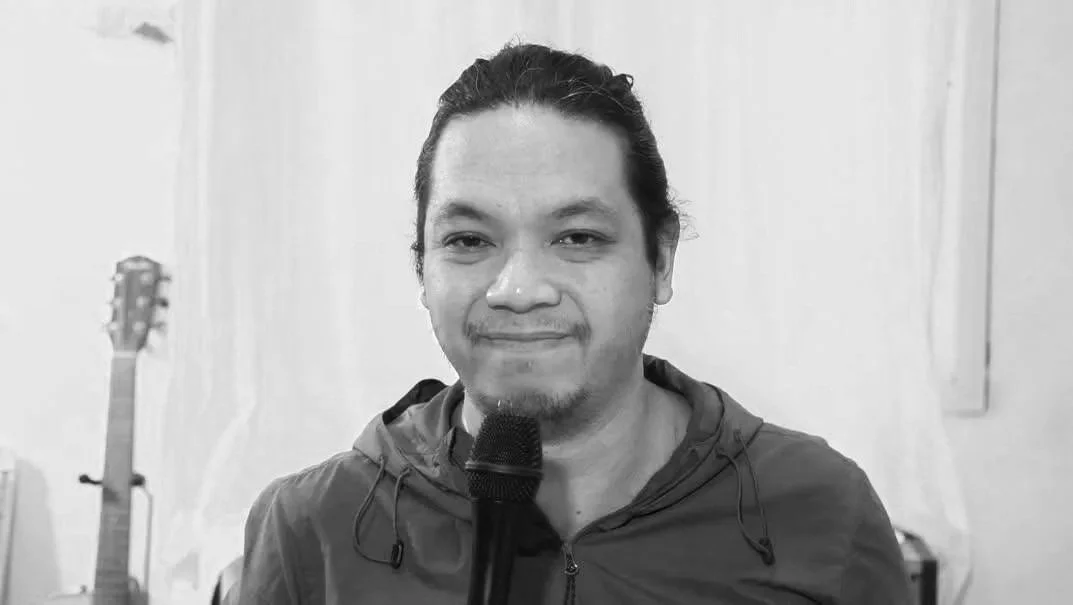
Tawatchai Duangnapa
PLATFORM COMMUNICATOR & DATA ANALYST
-
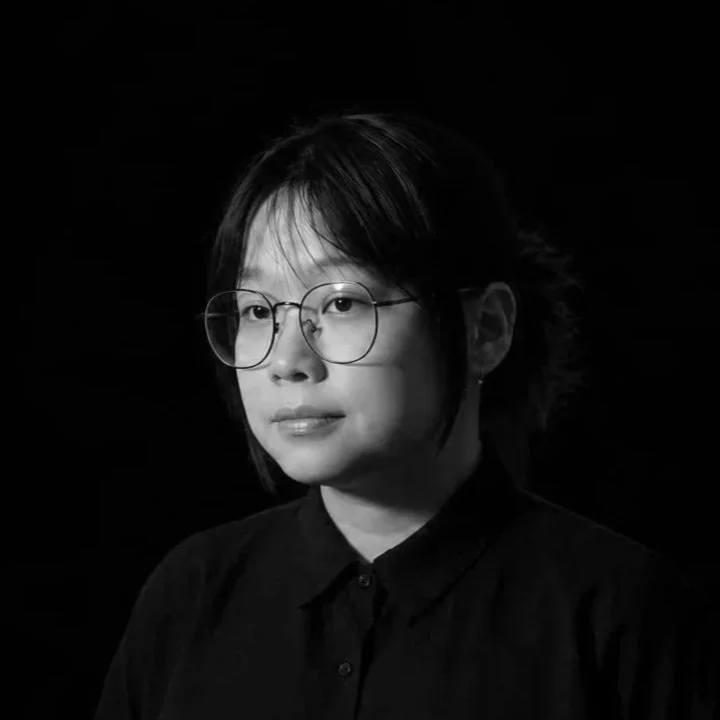
Sudarat Sarojjitti
VISUAL ARTIST & FACILITATOR
-
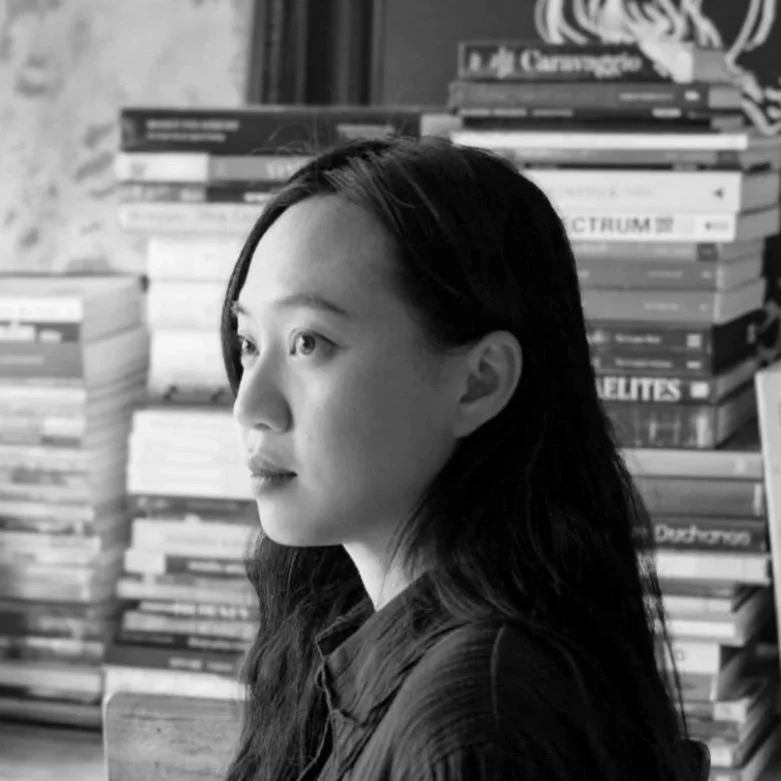
Sujira Sembut
PROJECT MANAGER & ARTISTIC DESIGNER
-
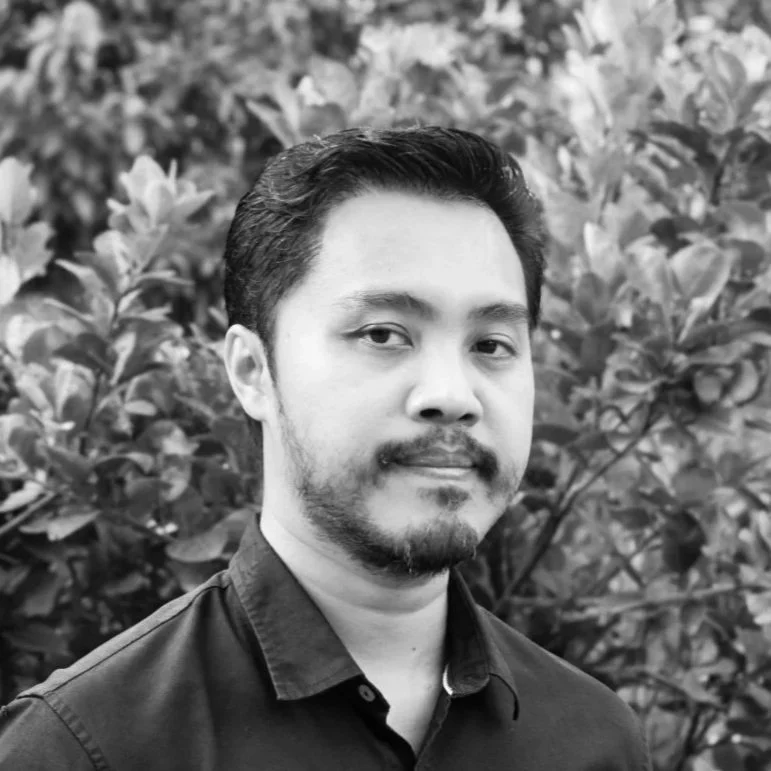
Wathit Sembut
ARTISTIC ADVISOR
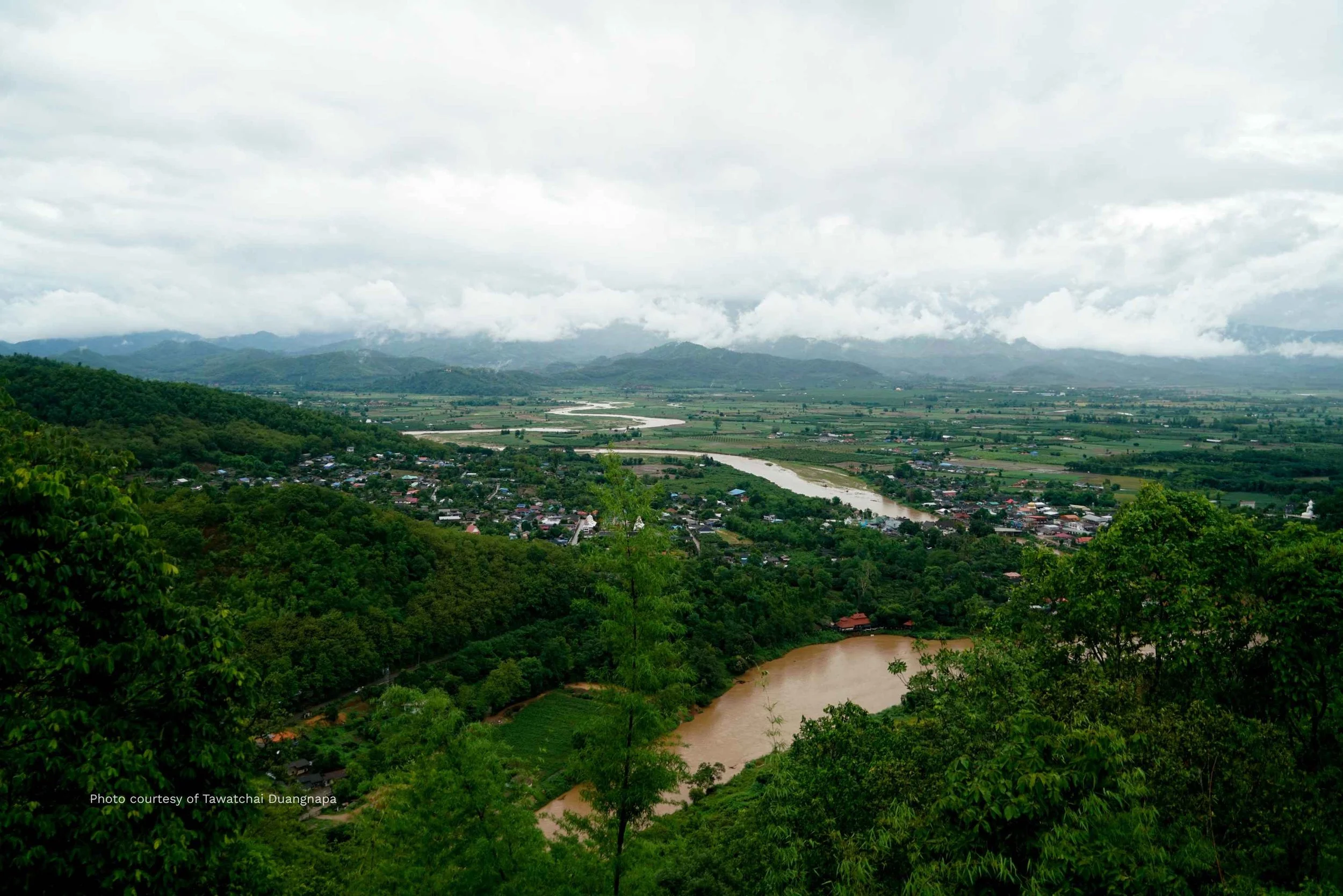
Join the Journey
Be an amplifier of impact. Join us in shaping cross-disciplinary practices and protecting the living knowledge of Northern Thailand.